
Pet Play - A Playful Power Exchange
Curious about putting on a collar, getting down on all fours and leaving your everyday self behind for a while? You might have just found your new favourite kind of roleplay.
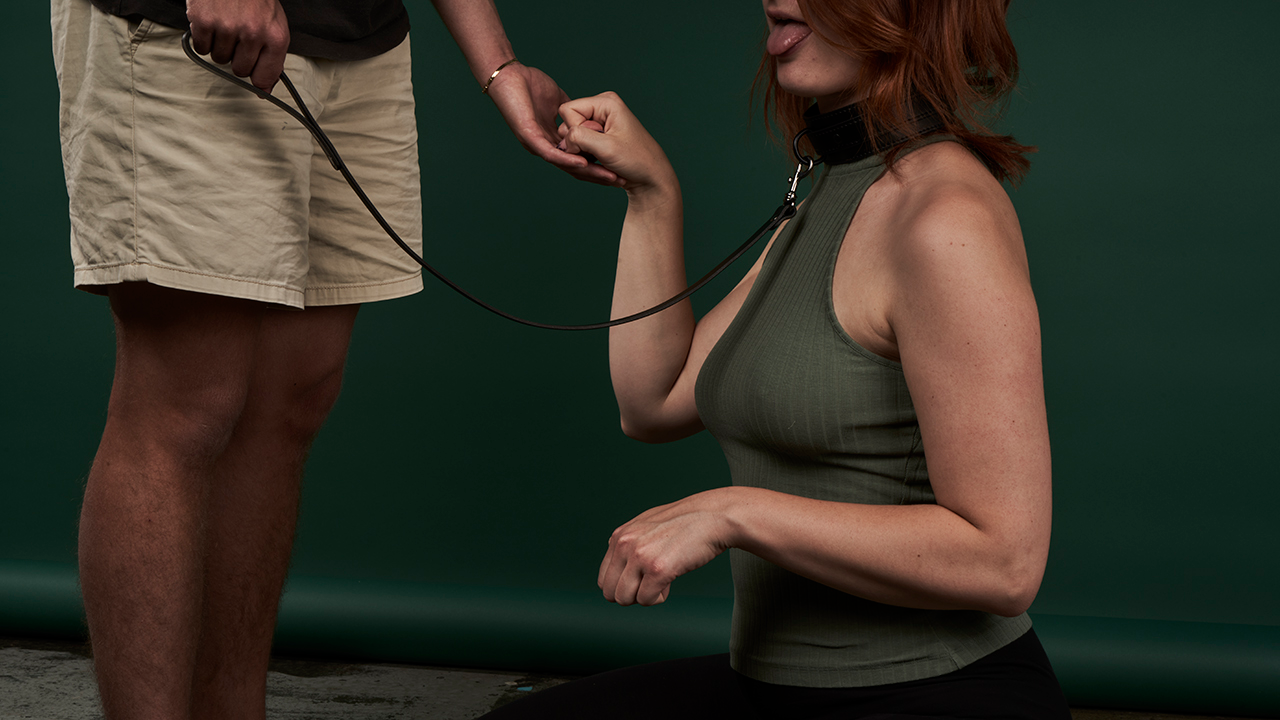
Pet play is a playful form of kink where consenting adults take inspiration from animals and the relationship between a pet and its handler.
In this guide, you'll learn more about what pet play is, why people enjoy it, how to try it consensually – and you get to explore different types of Pet Play-equipment that can help you get closer to your chosen role.
What Is Pet Play?
Pet play is a type of adult roleplay in which a person adopts characteristics, behaviour or a persona associated with an animal. Another person may take the role of an owner, trainer, carer or handler.
Pet play is always between consenting humans. It has nothing to do with sexual activity involving real animals – if you were in doubt.
It is commonly associated with BDSM because it can include dominance, submission and power exchange. However, animal roleplay can range from a very casual game to a more structured BDSM dynamic.
It does not automatically involve sex either. For some people, the attraction comes from erotic submission. For others, it is about affection, escapism, creativity, community or the chance to switch off their usual responsibilities for a while.
Popular Types of Pet Play
Some of the most popular forms of pet play are puppy play, kitten play and pony play. Each has its own feel, from energetic and eager-to-please puppy personas to playful kittens and graceful ponies. And puppies, kittens and ponies are only the beginning. Bunnies, foxes and other creatures can all inspire an animal persona.
There are no fixed rules about how any of these roles should behave. You can borrow the traits that appeal to you, create your own personality and decide how much - or how little - your chosen animal influences the scene.
Pup Play
Pup play is one of the best-known forms.
A pup might crawl, wag their imaginary tail, fetch toys, respond to commands or eagerly seek praise from their handler. The dynamic can be energetic and affectionate, obedient or cheekily disobedient.
A collar, lead, pup hood and paw-style mitts can help create the puppy character, and you find many different options in our selection here at Sinful.

Kitten Play
Prefer stretching out somewhere comfortable and demanding attention on your own terms? Kitten play may be more your speed.
A kitten persona might be affectionate one minute and stubborn the next. You can experiment with purring, crawling, playing with toys, being stroked or responding to a handler's instructions.
There are no personality rules, though. Your kitten can be shy, demanding, mischievous, sleepy or anything else that feels fun.
Get into character with a cat mask or furry ears and a tail. Find something for your mood in our selection.
Pony Play
Pony play often puts more emphasis on training, posture, movement and equipment. Harnesses, reins and other accessories may be incorporated to create the feeling of being trained or guided.
Because some versions can be physically demanding, it is especially important to discuss limits and avoid pushing your body beyond what feels comfortable.
In our selection, you’ll find different riding crops for obedience training, and harnesses and dresses that can get you both into character.
Why Do People Enjoy Pet Play?
One of the biggest attractions is simply getting permission to behave differently.
When you enter a pet role, you might temporarily leave behind conversation, work, chores and all the other very human things competing for your attention. Instead, the focus can become something so simple as play, movement, affection and praise, and following your handler's instructions.
For people who enjoy submission, the pet-and-handler-dynamic can also create a clear form of power exchange. Being given rules or commands can feel exciting precisely because everyone has agreed on the structure beforehand.
For the handler, there may be pleasure in caring for the pet, providing direction, rewarding good behaviour or creating games and challenges.
Pet play can also make communication more creative. A pet may communicate through movement, sounds or simple signals rather than normal conversation. That can make a scene feel very different from everyday interaction.
And, of course, dressing up can simply be fun. A collar, ears or hood can provide a clear mental cue that ordinary life is temporarily on hold.
Did you know?
Many pup play groups run “moshes”. These are social (and mostly non-sexual) meet-ups where pups can play with other pups in their role.
7 Tips for Your First Session
1. Start smaller than you think you need to. You do not have to buy a complete puppy outfit before discovering whether pup play actually makes you bark with delight. Try the role itself first and add accessories later.
2. Make praise specific. If praise is part of your dynamic, connect it to the game. "Good pup - you stayed exactly where I asked" can feel far more immersive than repeating the same compliment all evening.
3. Create a beginning and an end. Putting on and removing a collar can become a simple ritual that marks when your roles start and finish.
4. Protect knees and wrists. Crawling around on a hard floor can stop being fun rather quickly. A rug, yoga mat or soft surface can make longer sessions much kinder to your body.
5. Keep water nearby. Physical play, masks and warm costumes can leave you surprisingly thirsty. Take breaks whenever you need them.
6. Do not sacrifice safety for realism. Your pet may be pretending to be an animal, but they still have a human body. Avoid dangerous neck pressure, uncomfortable positions and any accessory that interferes with breathing.
7. Let your character change. You do not sign a lifelong contract when you pick puppy play. Today's obedient pup can become tomorrow's spoiled kitten. Pet play works best when curiosity gets plenty of space.
How to Get Started
Talk About The Fantasy
Start outside the scene.
Ask each other what sounds exciting about being a pet or handler. Is it the animal persona? Being praised? Giving commands? Wearing gear? Crawling? Training? Affection? Sexual play?
You do not need identical interests, but you do need enough overlap to create a scene you both genuinely want.
This is also the time to discuss things you definitely do not want.
Choose Your Animal
Now for the fun part - who are you becoming?
You might instantly know you're a puppy, kitten or pony. If not, think less about what animal looks sexiest and more about the behaviour you want to explore.
Want energetic games and lots of praise? A pup might fit.
Fancy being pampered but slightly rebellious? Perhaps there is a kitten waiting to come out.
Interested in structured training and graceful movement? Pony play might appeal.
Or invent your own creature entirely.
Decide On Your Roles
Your partner could be called a handler, trainer, carer, Master, Mistress or another title you both enjoy. You can also skip titles completely.
Discuss how much authority the handler will have during the scene. Can they give commands? Choose where the pet sits? Decide which toys are used? Reward good behaviour?
A pet does not automatically require an "owner", so it’s also possible to play without that role.
Being specific helps turn a vague fantasy into something you can actually enjoy together.
Set Boundaries and Agree on Stop Signal
Agree on your limits before play begins.
If your pet character will not speak normally during the scene, a traditional safeword may not be practical. Create an alternative stop signal instead.
For example, you could use a repeated hand movement or give the pet an object they can deliberately drop. What matters is that both people can recognise the signal immediately.
Remember that roleplay never cancels consent. If someone wants to stop, the scene stops.

Create Your Pet Persona
Now you can add the details that make the character feel real.
Choose a pet name. Decide how your animal moves and communicates. Perhaps your pup sits when told, your kitten curls up beside its handler or your pony practises a particular walk.
Your handler can create a handful of simple commands such as "sit", "stay", "come" or "paw".
Keep your first session fairly simple. It is easier to discover what you enjoy when you are not trying to remember twenty rules at once.
Add Accessories If You Want Them
Equipment is optional, but it can make slipping into character surprisingly easy.
A collar may be enough to signal the start of the scene. Ears or a hood can change how you see yourself. A lead can strengthen the handler dynamic. Tail accessories can make your chosen animal more visible.
Choose items based on comfort as well as appearance and check the fit before the scene starts.
Start Playing
Your first pet play scene does not need an elaborate script.
The handler could teach three commands and offer praise each time the pet gets them right. You could play a fetching game, practise crawling, have the pet eat or drink from a suitable bowl, enjoy stroking and scratching, or simply cuddle while staying in character.
Try one or two ideas and notice which parts feel exciting for you.
You can always add more next time you play.
Come Out of Character and Check In
Roleplay can create surprisingly strong emotions, particularly when power exchange is involved.
When the scene finishes, give yourselves a moment to return to normal interaction. Remove uncomfortable gear, have some water and check how each person feels.
Talk about what worked, what did not and what you would change next time.
This kind of aftercare does not need to be complicated. For some people, a cuddle is perfect. Someone else may want food, a shower, quiet time or simply a chat.
Ready to Come Out and Play?
Pet play can be cute, kinky, affectionate, silly, submissive or something entirely your own. The important ingredients are not expensive accessories or perfect animal impressions - they are communication, consent and a fantasy that everyone involved actually wants to explore.
Start simple, talk about your limits and allow yourselves to experiment.
Then, when you're ready to add a little more character, Sinful's collars, leads, hoods and pet-inspired accessories can help turn "shall we try it?" into a very convincing woof or meow.
Common Questions About Pet Play
It can be.
For some people, pet play is sexually exciting and forms part of their kink or BDSM interests. For others, the appeal is primarily roleplay, affection, escapism or community. It does not need to be sexual to count.
No.
Pet play involves consenting adult humans roleplaying animal characteristics or pet and handler dynamics. Actual animals are not sexual participants.
It often is, particularly when the scene includes dominance, submission, obedience or power exchange. However, you can also enjoy casual animal roleplay without creating a formal BDSM relationship.
Not necessarily.
You can explore a character, costume or pet mindset by yourself. A partner becomes useful if the part that excites you is interaction with a handler, training or power exchange.
No.
Accessories can help you feel more immersed in your character, but imagination is enough to begin. Starting without much equipment can actually help you discover what type of play you enjoy before you spend money on gear.
Absolutely. Pet roleplay can centre on affection, relaxation, play, performance or power exchange without including sexual activity. The people involved decide what their version includes.
Bring it up outside the bedroom rather than surprising them in the middle of sex.
Explain what part interests you and invite them to share how they feel about it. You could say you've been curious about trying a puppy and handler role and would like to know if that sounds fun to them.
A conversation is not a commitment. Give each other room to ask questions, suggest changes or simply decide that the idea is not for you.
Keep your first experiment simple.
Choose your roles, agree on boundaries and try a short scene with two or three commands, some affection and perhaps a collar or pair of animal ears.
If you both finish wanting another round, you have plenty of time to add new tricks later.


