Bondage & Restraints
Here you will find a wide selection of restraints for different types of bondage play. Bondage is a thrilling way to spice up sex, as it allows you to gain full control over your partner and their pleasure. Whether you prefer cuffs, rope or a bondage kit, we have what you need. You can read all about the exciting world in our ultimate guide to bondage.


Bondage and Restraints – Explore Shibari and Bondage Toys and Safely
What Is Bondage?
Bondage is the practice of consensually restricting a partner's movement for pleasure, intimacy and power exchange. It is the “B” in BDSM, and can be playful and beginner-friendly or more advanced, depending on the restraints, techniques and equipment you choose. Bondage restraints are a thrilling way to explore erotic bondage and shibari, whether you're completely new to BDSM or already experienced. Restricting movement builds anticipation, heightens sensations and creates an intense connection between partners. For many people, bondage is about much more than restraints alone. It is about trust, communication and discovering new ways to experience pleasure together. Giving or receiving control in a safe, consensual setting creates a unique combination of excitement, vulnerability and intimacy that makes every touch feel more powerful.
Shibari – The Art of Japanese Rope Bondage
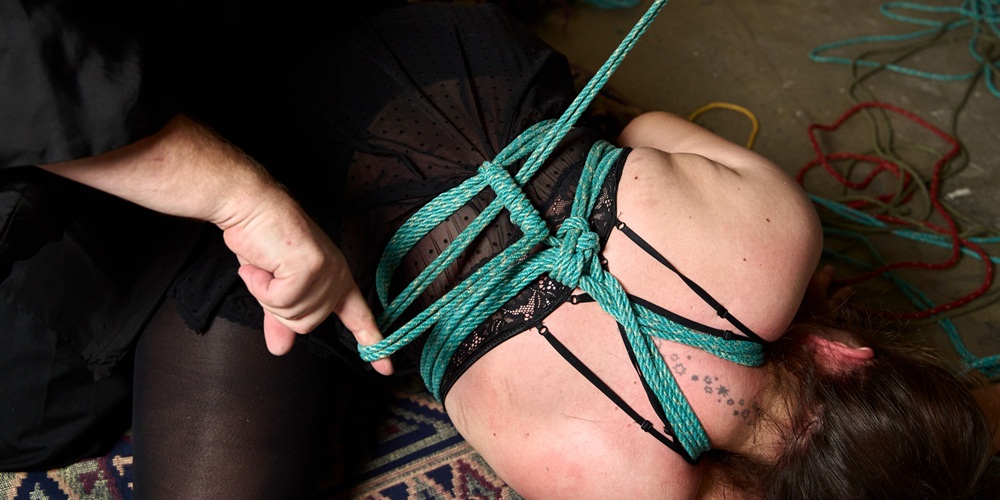
Shibari is the traditional Japanese art of rope bondage. Unlike simple restraint, shibari focuses on beautiful rope patterns, body positioning and connection between partners. Many people appreciate shibari bondage as both an artistic and intimate practice. Creating decorative ties requires patience, communication and trust, making the process just as rewarding as the finished result. Read more about Shibari and get concrete guidance to tying ropes in our guide: Bondage Rope for Beginners. When choosing rope for shibari, the material makes a noticeable difference.
- Cotton rope feels soft against the skin and is often recommended for beginners because it's comfortable and easy to handle.
- Hemp rope offers more grip and creates tighter knots, making it popular with experienced rope enthusiasts who appreciate its traditional feel.
- Nylon rope is smooth, lightweight and durable, although its slippery surface can make knot tying slightly more challenging for newcomers.
NOTE: When playing with rope, you should always keep a pair of safety scissors nearby, so you can cut the ties loose if necessary.
How to Ensure Safe and Consensual Play
While bondage can be incredibly exciting, safety should always come first. Here are five must-follow tips to exploring bondage safely with your partner.
1. Communicate Clearly
Discuss boundaries, expectations and limits before you begin. Agree on a safeword that immediately pauses or stops the scene whenever necessary. Circus is a universal safe word, but you can also find your own. You can get inspired and find your own safe words here.
2. Follow the SCC Principle
Safe bondage always begins with communication. One of the most widely recognised guidelines within BDSM is the SSC principle, which stands for Safe, Sane and Consensual. It provides a simple framework for ensuring everyone understands the activities involved, freely agrees to participate and prioritises each other's wellbeing throughout the experience.
- Safe means taking reasonable precautions and understanding the equipment you're using.
- Sane means everyone involved is making informed decisions with a clear mind.
- Consensual means every activity is agreed upon beforehand, and consent can be withdrawn at any time.
3. The Two-Finger Rule
A simple but important safety guideline when using rope or cuffs is the two-finger rule. After securing the restraints, you should be able to comfortably slide two fingers between the restraint and the skin. This helps prevent excessive pressure while still keeping the restraint secure. Checking the fit regularly during play helps ensure comfort throughout the session. Warning signs that restraints may be too tight include:
- Numbness
- Tingling sensations
- Cold hands or feet
- Blue or pale skin
- Swelling
- Loss of movement
If any of these occur, remove the restraints immediately and allow circulation to return before continuing.
4. Never Leave Your Partner Unattended
Always remain with your partner while they are restrained so you can respond immediately if adjustments are needed.
5. Keep Safety Tools Nearby
If you're using rope, keep a pair of safety scissors within easy reach so restraints can be removed quickly if necessary. If you use cuffs, hogties, spreader bars and the like, ensure that the bolt snaps or hooks are accessible and can be loosened from that position.

Don't Forget Aftercare
The experience doesn't end when the restraints come off. Taking time for aftercare helps both partners relax, reconnect and reflect on the experience together. After an intense bondage or BDSM session, some people experience what's known as "sub drop," where adrenaline levels decrease, leaving them feeling emotional, tired or vulnerable. Aftercare in this case refers to the time partners spend looking after each other physically and emotionally following play in order to reconnect and ensure everyone feels supported. This may involve cuddling, talking, drinking water, sharing a blanket or simply checking how everyone feels. Aftercare can also include messaging or talking about the sessions in the following days, in order to make sure that the sub is ok.
Blindfolds – The Perfect Place to Start
If you're completely new to bondage, a blindfolds is often the easiest introduction. Removing one sense naturally heightens the others, making every touch, kiss and caress feel more intense. Because your partner cannot anticipate what's coming next, even gentle sensations can feel exciting and unpredictable. Blindfolds require no previous experience, making them one of the most beginner-friendly bondage toys available. They're also easy to combine with feather ticklers, vibrators or soft restraints as you become more confident. We recommend: Sinful Deluxe Satin Blindfold, which is perfect for blindfolding but also can be used to tie up your partner’s hands.
Different Types of BDSM Restraints
Discover high-quality products from trusted brands including Obaie, Fetish Fantasy, Master Series and Sportsheets.
Choosing the right bondage equipment depends on your level of experience and the type of play you enjoy. At Sinful, you'll find a wide selection of restraints and accessories to suit every level of experience. Whether you're looking for a simple way to introduce restraint into your play or a complete collection of premium bondage gear, you'll find everything you need to explore safely together.
You can read more about the most common types of bondage gear below.
Blindfolds: If you're completely new to bondage, a blindfold is often the easiest introduction. In our selection you can find them in soft satin materials but also more rough materials such as leather and PU leather.
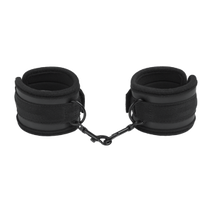
Handcuffs: Handcuffs are a classic restraint option for those who enjoy a restrictive feel. They exist in hardcore metal versions but also soft and padded versions. Those made from metal typically offer less flexibility than padded cuffs while creating a more distinctive psychological thrill.
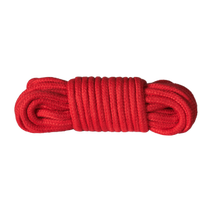
Bondage Rope: Rope is one of the most versatile pieces of bondage equipment, opening up endless possibilities. You can make simple ties but also decorative shibari inspired by traditional Japanese rope bondage. If you're just getting started, soft cotton rope is usually the easiest material to work with because it's gentle on the skin and easy to tie. Hemp rope offers a more traditional look and feel, while synthetic ropes create more friction and generally require greater experience.
Hogtie Restraints: A hogtie restraint connects wrist and ankle cuffs together, leaving the submissive comfortably immobilised. These restraints are ideal for experienced users looking to increase restriction and explore more advanced BDSM scenarios. We offer different kinds, both with and without cuffs, so you can use them as they are or with rope or other restraints.
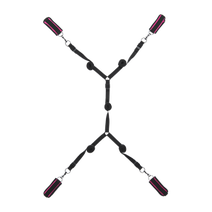
Bondage Bed Restraints: Bondage bed restraints transform almost any bed into a bondage setup. Most systems fit underneath your mattress and securely hold your partner in place without requiring permanent installation, making them practical for both beginners and experienced users.
Spreader Bars: Spreader bars keep the arms or legs apart, preventing the submissive from closing them. They are ideal for teasing, sensation play and maintaining specific positions during BDSM scenes.
Bondage Tape: Tape is another beginner-friendly option. Unlike ordinary adhesive tape, it sticks only to itself rather than your skin or hair, making it quick to apply, comfortable to wear and easy to remove after your session.
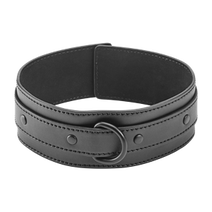
Collars and Leashes: Collars and leashes do more than complete the look. They symbolise trust, ownership and power exchange while adding another dimension to your BDSM play. They work perfectly alongside cuffs and other restraints to create a more immersive experience.
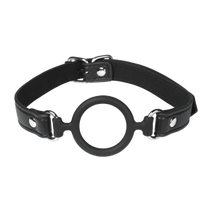
Mouth Gags: Mouth gags introduce another layer of communication, anticipation and power exchange to BDSM play. They encourage non-verbal interaction and heighten the sense of vulnerability and trust. Agree on clear stop signals before you begin, since verbal communication may be limited while wearing a gag. They exist in different types, including ball gags, bit gags and more breathable ring gags.
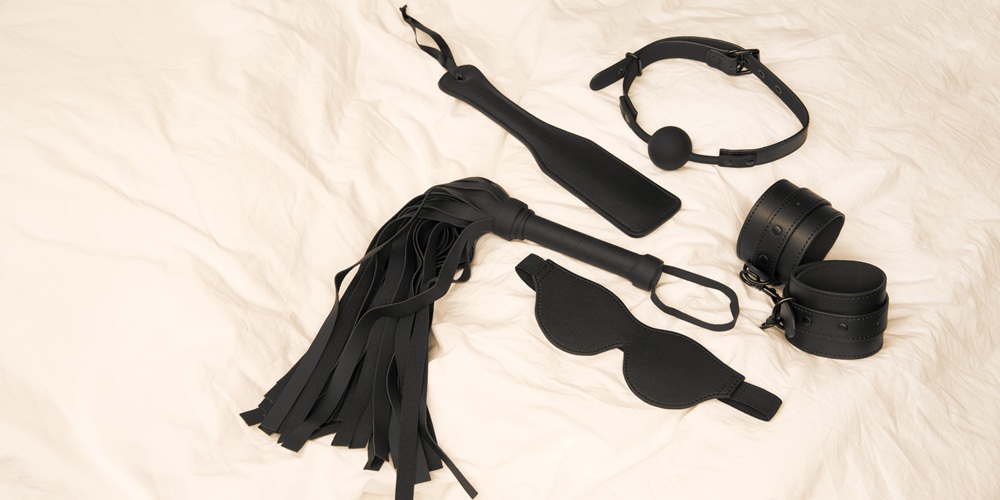
Bondage Kits: These kits are one of the easiest ways to begin exploring BDSM. They usually combine wrist cuffs, ankle cuffs, blindfolds, gags and ticklers in one convenient set, giving you a selection of bondage toys to experiment with while discovering what excites you most.
If you want to combine bondage with other sensations and widen your BDSM-horizon, you can also take a look at our whips and paddles, chastity devices, nipple clamps, or perhaps even electro sex toys.
Get Inspired: Popular Bondage Toys to Explore
Want some inspiration? Take a look at some of our most popular bondage restraints:
The Obaie Soft Handcuffs are perfect for those seeking a comfortable and secure restraint.They are perfect for beginners because they are soft and comfortable. However, as the cuffs are attached with two bolt snaps, it is also possible to take them apart and use them with other equipment, such as a spreader bar or hogtie.
The Fetish Fantasy Bondage Straps with Cuffs offer a simple yet effective way to experiment with restraint.The adjustable wrist and ankle cuffs are attached to a padded neck harness, allowing the wearer to hold a range of playful positions. It's a beginner-friendly way to explore restraint without complicated equipment.
For those wanting more control, the Obaie Adjustable Metal Spreader Bar keeps your partner in position while adding an extra thrill to your play. The rings can be used to attach wrist and ankle cuffs, so they can’t move.
If you’re seeking full-body restraint, the Obaie Under The Mattress Restraint Set provides endless possibilities for creative and immersive bondage play in bed. You simply put it under the mattress and adjust it to fit your bed, and you’re ready to play.
Frequently Asked Questions
What do I need to be able to start with bondage?
You don't need an elaborate collection to begin. A comfortable blindfold or a pair of soft wrist cuffs is often enough to discover whether bondage appeals to you. Start slowly and build your collection as your confidence grows.
Is bondage safe?
Bondage can be enjoyed safely when it's built on communication, consent and suitable equipment. Avoid tying restraints too tightly, never leave a restrained partner unattended and always agree on a safeword before you begin. If you ensure this, you can both have a safe experience.
What's the difference between bondage and BDSM?
Bondage is one part of BDSM bondage, focusing specifically on restraint and restricting movement. BDSM is the broader umbrella that also includes dominance and submission, role play, sensation play and many other forms of consensual exploration. You can enjoy bondage without practising every other aspect of BDSM.
What’s the difference between soft and hard bondage?
Light bondage is typically the place to start. It focuses on gentle restraint using beginner-friendly bondage toys such as blindfolds, soft cuffs or bondage tape. It's ideal for couples who want to explore power exchange and sense play without intense restriction. Read more about light bondage here.
Hard bondage typically involves more restrictive bondage equipment, such as rope, metal cuffs, spreader bars or suspension, and often requires greater experience and knowledge of safety. It's typically practised by more experienced BDSM enthusiasts who are familiar with consent, communication and the use of specialised equipment.
Which rope is best for beginners?
Soft cotton rope is generally considered the best option for beginners because it's gentle on the skin, easy to handle and forgiving while you learn basic knots. As your confidence grows, you may choose to explore hemp rope or learn more advanced shibari techniques. If you have any other questions about bondage toys or need help choosing the best toys to begin with, you are more than welcome to contact our customer service. You can also find out more about bondage on our blog: The Ultimate BDSM-Guide: B for Bondage.
Bondage is the practice of consensually restricting a partner's movement for pleasure, intimacy and power exchange. It is the “B” in BDSM, and can be playful and beginner-friendly or more advanced, depending on the restraints, techniques and equipment you choose. Bondage restraints are a thrilling way to explore erotic bondage and shibari, whether you're completely new to BDSM or already experienced. Restricting movement builds anticipation, heightens sensations and creates an intense connection between partners. For many people, bondage is about much more than restraints alone. It is about trust, communication and discovering new ways to experience pleasure together. Giving or receiving control in a safe, consensual setting creates a unique combination of excitement, vulnerability and intimacy that makes every touch feel more powerful.
Shibari is the traditional Japanese art of rope bondage. Unlike simple restraint, shibari focuses on beautiful rope patterns, body positioning and connection between partners. Many people appreciate shibari bondage as both an artistic and intimate practice. Creating decorative ties requires patience, communication and trust, making the process just as rewarding as the finished result. Read more about Shibari and get concrete guidance to tying ropes in our guide: Bondage Rope for Beginners. When choosing rope for shibari, the material makes a noticeable difference.
- Cotton rope feels soft against the skin and is often recommended for beginners because it's comfortable and easy to handle.
- Hemp rope offers more grip and creates tighter knots, making it popular with experienced rope enthusiasts who appreciate its traditional feel.
- Nylon rope is smooth, lightweight and durable, although its slippery surface can make knot tying slightly more challenging for newcomers.
NOTE: When playing with rope, you should always keep a pair of safety scissors nearby, so you can cut the ties loose if necessary.
While bondage can be incredibly exciting, safety should always come first. Here are five must-follow tips to exploring bondage safely with your partner.
1. Communicate Clearly
Discuss boundaries, expectations and limits before you begin. Agree on a safeword that immediately pauses or stops the scene whenever necessary. Circus is a universal safe word, but you can also find your own. You can get inspired and find your own safe words here.
2. Follow the SCC Principle
Safe bondage always begins with communication. One of the most widely recognised guidelines within BDSM is the SSC principle, which stands for Safe, Sane and Consensual. It provides a simple framework for ensuring everyone understands the activities involved, freely agrees to participate and prioritises each other's wellbeing throughout the experience.
- Safe means taking reasonable precautions and understanding the equipment you're using.
- Sane means everyone involved is making informed decisions with a clear mind.
- Consensual means every activity is agreed upon beforehand, and consent can be withdrawn at any time.
3. The Two-Finger Rule
A simple but important safety guideline when using rope or cuffs is the two-finger rule. After securing the restraints, you should be able to comfortably slide two fingers between the restraint and the skin. This helps prevent excessive pressure while still keeping the restraint secure. Checking the fit regularly during play helps ensure comfort throughout the session. Warning signs that restraints may be too tight include:
- Numbness
- Tingling sensations
- Cold hands or feet
- Blue or pale skin
- Swelling
- Loss of movement
If any of these occur, remove the restraints immediately and allow circulation to return before continuing.
4. Never Leave Your Partner Unattended
Always remain with your partner while they are restrained so you can respond immediately if adjustments are needed.
5. Keep Safety Tools Nearby
If you're using rope, keep a pair of safety scissors within easy reach so restraints can be removed quickly if necessary. If you use cuffs, hogties, spreader bars and the like, ensure that the bolt snaps or hooks are accessible and can be loosened from that position.
The experience doesn't end when the restraints come off. Taking time for aftercare helps both partners relax, reconnect and reflect on the experience together. After an intense bondage or BDSM session, some people experience what's known as "sub drop," where adrenaline levels decrease, leaving them feeling emotional, tired or vulnerable. Aftercare in this case refers to the time partners spend looking after each other physically and emotionally following play in order to reconnect and ensure everyone feels supported. This may involve cuddling, talking, drinking water, sharing a blanket or simply checking how everyone feels. Aftercare can also include messaging or talking about the sessions in the following days, in order to make sure that the sub is ok.
If you're completely new to bondage, a blindfolds is often the easiest introduction. Removing one sense naturally heightens the others, making every touch, kiss and caress feel more intense. Because your partner cannot anticipate what's coming next, even gentle sensations can feel exciting and unpredictable. Blindfolds require no previous experience, making them one of the most beginner-friendly bondage toys available. They're also easy to combine with feather ticklers, vibrators or soft restraints as you become more confident. We recommend: Sinful Deluxe Satin Blindfold, which is perfect for blindfolding but also can be used to tie up your partner’s hands.
Discover high-quality products from trusted brands including Obaie, Fetish Fantasy, Master Series and Sportsheets.
Choosing the right bondage equipment depends on your level of experience and the type of play you enjoy. At Sinful, you'll find a wide selection of restraints and accessories to suit every level of experience. Whether you're looking for a simple way to introduce restraint into your play or a complete collection of premium bondage gear, you'll find everything you need to explore safely together.
You can read more about the most common types of bondage gear below.
Blindfolds: If you're completely new to bondage, a blindfold is often the easiest introduction. In our selection you can find them in soft satin materials but also more rough materials such as leather and PU leather.
Handcuffs: Handcuffs are a classic restraint option for those who enjoy a restrictive feel. They exist in hardcore metal versions but also soft and padded versions. Those made from metal typically offer less flexibility than padded cuffs while creating a more distinctive psychological thrill.
Bondage Rope: Rope is one of the most versatile pieces of bondage equipment, opening up endless possibilities. You can make simple ties but also decorative shibari inspired by traditional Japanese rope bondage. If you're just getting started, soft cotton rope is usually the easiest material to work with because it's gentle on the skin and easy to tie. Hemp rope offers a more traditional look and feel, while synthetic ropes create more friction and generally require greater experience.
Hogtie Restraints: A hogtie restraint connects wrist and ankle cuffs together, leaving the submissive comfortably immobilised. These restraints are ideal for experienced users looking to increase restriction and explore more advanced BDSM scenarios. We offer different kinds, both with and without cuffs, so you can use them as they are or with rope or other restraints.
Bondage Bed Restraints: Bondage bed restraints transform almost any bed into a bondage setup. Most systems fit underneath your mattress and securely hold your partner in place without requiring permanent installation, making them practical for both beginners and experienced users.
Spreader Bars: Spreader bars keep the arms or legs apart, preventing the submissive from closing them. They are ideal for teasing, sensation play and maintaining specific positions during BDSM scenes.
Bondage Tape: Tape is another beginner-friendly option. Unlike ordinary adhesive tape, it sticks only to itself rather than your skin or hair, making it quick to apply, comfortable to wear and easy to remove after your session.
Collars and Leashes: Collars and leashes do more than complete the look. They symbolise trust, ownership and power exchange while adding another dimension to your BDSM play. They work perfectly alongside cuffs and other restraints to create a more immersive experience.
Mouth Gags: Mouth gags introduce another layer of communication, anticipation and power exchange to BDSM play. They encourage non-verbal interaction and heighten the sense of vulnerability and trust. Agree on clear stop signals before you begin, since verbal communication may be limited while wearing a gag. They exist in different types, including ball gags, bit gags and more breathable ring gags.
Bondage Kits: These kits are one of the easiest ways to begin exploring BDSM. They usually combine wrist cuffs, ankle cuffs, blindfolds, gags and ticklers in one convenient set, giving you a selection of bondage toys to experiment with while discovering what excites you most.
If you want to combine bondage with other sensations and widen your BDSM-horizon, you can also take a look at our whips and paddles, chastity devices, nipple clamps, or perhaps even electro sex toys.
Want some inspiration? Take a look at some of our most popular bondage restraints:
The Obaie Soft Handcuffs are perfect for those seeking a comfortable and secure restraint.They are perfect for beginners because they are soft and comfortable. However, as the cuffs are attached with two bolt snaps, it is also possible to take them apart and use them with other equipment, such as a spreader bar or hogtie.
The Fetish Fantasy Bondage Straps with Cuffs offer a simple yet effective way to experiment with restraint.The adjustable wrist and ankle cuffs are attached to a padded neck harness, allowing the wearer to hold a range of playful positions. It's a beginner-friendly way to explore restraint without complicated equipment.
For those wanting more control, the Obaie Adjustable Metal Spreader Bar keeps your partner in position while adding an extra thrill to your play. The rings can be used to attach wrist and ankle cuffs, so they can’t move.
If you’re seeking full-body restraint, the Obaie Under The Mattress Restraint Set provides endless possibilities for creative and immersive bondage play in bed. You simply put it under the mattress and adjust it to fit your bed, and you’re ready to play.
What do I need to be able to start with bondage?
You don't need an elaborate collection to begin. A comfortable blindfold or a pair of soft wrist cuffs is often enough to discover whether bondage appeals to you. Start slowly and build your collection as your confidence grows.
Is bondage safe?
Bondage can be enjoyed safely when it's built on communication, consent and suitable equipment. Avoid tying restraints too tightly, never leave a restrained partner unattended and always agree on a safeword before you begin. If you ensure this, you can both have a safe experience.
What's the difference between bondage and BDSM?
Bondage is one part of BDSM bondage, focusing specifically on restraint and restricting movement. BDSM is the broader umbrella that also includes dominance and submission, role play, sensation play and many other forms of consensual exploration. You can enjoy bondage without practising every other aspect of BDSM.
What’s the difference between soft and hard bondage?
Light bondage is typically the place to start. It focuses on gentle restraint using beginner-friendly bondage toys such as blindfolds, soft cuffs or bondage tape. It's ideal for couples who want to explore power exchange and sense play without intense restriction. Read more about light bondage here.
Hard bondage typically involves more restrictive bondage equipment, such as rope, metal cuffs, spreader bars or suspension, and often requires greater experience and knowledge of safety. It's typically practised by more experienced BDSM enthusiasts who are familiar with consent, communication and the use of specialised equipment.
Which rope is best for beginners?
Soft cotton rope is generally considered the best option for beginners because it's gentle on the skin, easy to handle and forgiving while you learn basic knots. As your confidence grows, you may choose to explore hemp rope or learn more advanced shibari techniques. If you have any other questions about bondage toys or need help choosing the best toys to begin with, you are more than welcome to contact our customer service. You can also find out more about bondage on our blog: The Ultimate BDSM-Guide: B for Bondage.